Why Heating Costs Remain High in Commercial Buildings
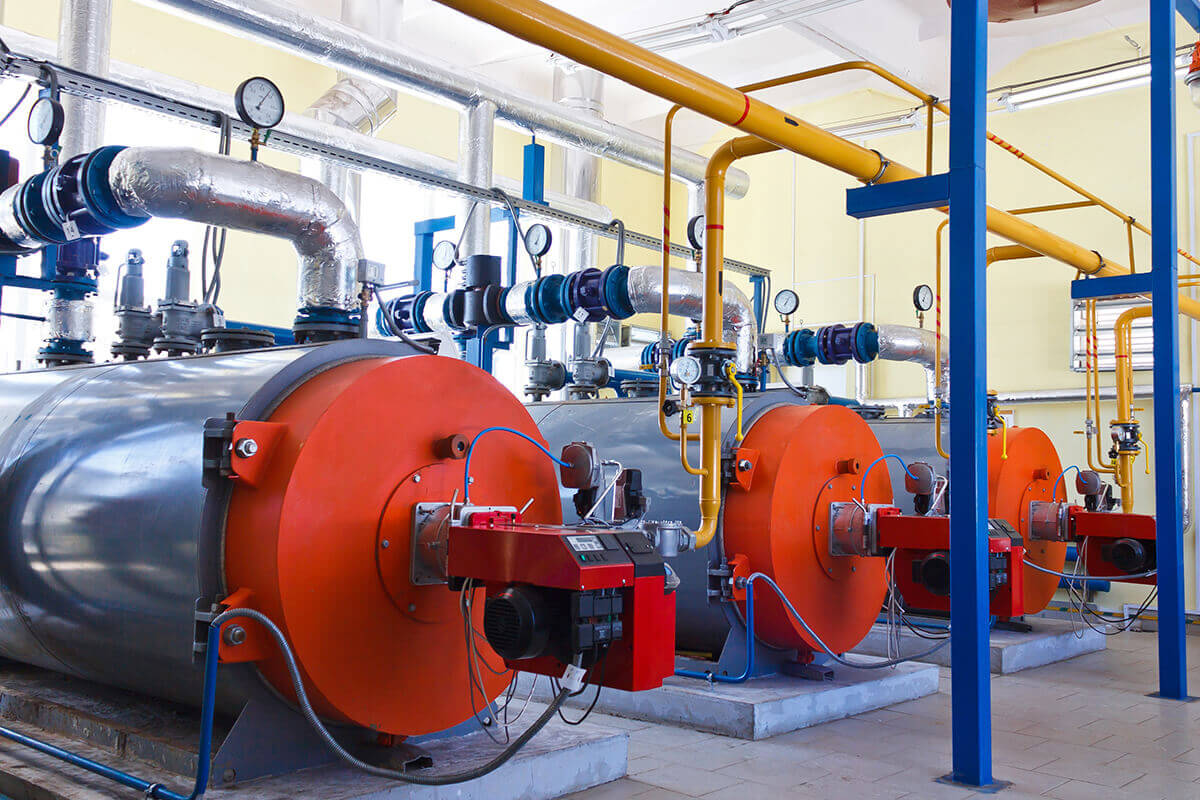
Heating remains one of the highest operational costs for commercial buildings, particularly in sectors where systems operate for long hours or across large floor areas. While rising energy prices are often blamed for increasing costs, they are only part of the picture. In many cases, high heating bills are driven by how boilers operate day to day rather than by the age or condition of the equipment itself.
Commercial heating systems are typically designed to be robust and reliable, but reliability does not automatically translate into efficiency. When boilers are unable to adapt to real-world operating conditions, fuel is often consumed inefficiently, leading to unnecessary costs that remain hidden within overall energy spend.
The Hidden Cost of Inefficient Boiler Operation
Even well-maintained commercial boilers can operate inefficiently for long periods without triggering alarms or obvious performance issues. As long as heat is delivered and comfort levels are maintained, inefficiencies often go unnoticed. However, inefficient combustion can result in higher fuel consumption without any visible change in system performance.
Over time, small inefficiencies accumulate. Excess fuel burn during part-load operation, poor combustion control during fluctuating demand and reliance on static settings all contribute to higher heating costs. Because these issues are embedded in regular operation rather than in system failure, they are rarely addressed solely through routine maintenance.
Why Boiler Replacement Is Not Always the Right First Step
When heating costs rise, boiler replacement is often seen as the default solution. While replacing ageing or failing equipment may sometimes be necessary, it is not always the most effective or economical first response. Boiler replacement involves significant capital investment, potential disruption to building operations and long payback periods.
In many commercial buildings, existing boilers still have years of operational life remaining. Replacing them without first addressing operational inefficiencies can mean overlooking opportunities for immediate cost savings. Improving how existing boilers perform in real-world conditions often delivers faster and lower-risk reductions in heating costs, while allowing organisations to plan longer-term upgrades more strategically.
Understanding Where Heating Energy Is Wasted
In many commercial buildings, heating energy is wasted not because systems are poorly designed, but because they are not optimised for how buildings actually operate. Energy loss often occurs quietly, embedded within regular daily operation, making it difficult to identify without looking beyond surface-level performance indicators.
Understanding where and why this waste occurs is an essential step in reducing heating costs without resorting to boiler replacement. It shifts the focus away from equipment age and towards operational efficiency.
The Difference Between Boiler Condition and Boiler Performance
A common misconception in commercial heating is that a well-maintained boiler is also an efficient one. While regular servicing is essential for safety and reliability, it does not guarantee optimal performance under live operating conditions.
Boiler condition refers to whether equipment is functioning as intended and compliant with safety requirements. Boiler performance, on the other hand, relates to how efficiently fuel is converted into usable heat during everyday operation. A boiler can be in good condition yet still burn more fuel than necessary due to suboptimal combustion settings or an inability to adapt to changing demand.
This distinction is vital because performance-related inefficiencies are rarely resolved solely through maintenance. Without addressing how a boiler operates across different loads and conditions, energy waste can persist even in systems that appear to be well managed.
How Real-World Operating Conditions Drive Fuel Waste
Commercial buildings rarely experience steady heating demand. Occupancy levels change throughout the day, operating hours vary by function, and external weather conditions introduce constant variability. Boilers are therefore required to operate across a wide range of loads, often spending much of their time running below peak output.
Under these conditions, traditional boiler setups can struggle to maintain efficient combustion. Static settings that work well at one load may lead to excess fuel use at another. Over a heating season, these inefficiencies result in higher gas consumption, increased costs and unnecessary carbon emissions.
Because this waste occurs gradually and consistently, it is often absorbed into the overall energy spent without being clearly attributed to boiler performance. Addressing it requires a more detailed understanding of how boilers behave in real-world conditions, rather than relying solely on design specifications or periodic checks.
Smarter Ways to Reduce Heating Costs Using Existing Boilers
Reducing heating costs does not always require new equipment or significant system changes. In many commercial buildings, meaningful savings can be achieved by improving how existing boilers operate under real-world conditions. This approach focuses on efficiency at the point of fuel use, rather than on system replacement.
By targeting operational performance, organisations can unlock savings more quickly and with less disruption, while extending the value of their existing heating assets.
Improving Combustion Efficiency Rather Than Heat Output
Heating systems are typically assessed based on their ability to deliver heat, not on how efficiently they produce it. As long as temperature requirements are met, inefficient fuel use can go unnoticed. However, delivering the same heat output using less fuel is where cost savings are realised.
Improving combustion efficiency ensures that fuel is burned as effectively as possible across different operating conditions. This reduces unnecessary gas consumption while maintaining consistent heating performance, resulting in efficiency gains that are invisible to building users but highly visible on energy bills.
Why Continuous Optimisation Outperforms One-Off Adjustments
Traditional approaches to improving boiler efficiency often rely on periodic servicing or manual tuning. While these interventions can temporarily improve performance, their impact diminishes as operating conditions change over time.
Continuous optimisation takes a different approach by maintaining efficiency on an ongoing basis. Rather than correcting performance after inefficiencies have occurred, it adapts to changing demand as it happens. This ensures savings are sustained throughout the heating season rather than limited to short periods after maintenance or adjustment.
The Role of Real-Time Boiler Optimisation in Cost Reduction
While improving combustion efficiency is key to reducing heating costs, maintaining that efficiency over time is where many commercial buildings fall short. Heating demand is rarely static, and settings that perform well one week may be inefficient the next. This is where real-time boiler optimisation plays a critical role, bridging the gap between intention and sustained performance.
By continuously responding to live operating conditions, optimisation ensures that efficiency improvements are not temporary but embedded in day-to-day operations.
Responding Dynamically to Changing Heating Demand
Commercial boilers operate across a wide range of loads, influenced by occupancy patterns, operating hours and external weather conditions. Without the ability to adapt dynamically, boilers often run inefficiently at partial load, consuming more fuel than necessary.
Real-time optimisation enables boilers to adjust as conditions change continuously. By refining combustion in response to live demand, optimisation reduces fuel waste during quieter periods while still supporting peak heating requirements when demand increases.
Reducing Fuel Consumption Without Impacting Comfort
A common concern when focusing on cost reduction is whether heating performance or occupant comfort will be affected. Real-time optimisation addresses this by focusing on how fuel is used rather than how much heat is delivered.
By improving combustion efficiency, boilers can maintain consistent heat output using less fuel. This ensures cost savings without compromising comfort, reliability, or operational performance, making optimisation a practical and low-risk solution for commercial environments.
Reducing Heating Costs Across Different Commercial Environments
The challenge of reducing heating costs is shared across many commercial sectors, but the reasons for inefficiency often vary depending on how buildings are used. Factors such as occupancy patterns, operating hours and system complexity all influence how boilers perform in real-world conditions. As a result, solutions must be flexible enough to adapt to different environments rather than relying on fixed assumptions.
This is where real-time optimisation solutions such as Optiburner are particularly effective, as they respond continuously to live operating conditions rather than applying a one-size-fits-all approach.
Buildings With Variable Occupancy and Operating Hours
Commercial buildings with fluctuating occupancy, such as education facilities, healthcare environments, leisure centres and hotels, experience constant changes in heating demand. Boilers in these settings often operate inefficiently during off-peak periods, when systems continue to run based on static settings rather than actual demand.
Optiburner supports cost reduction in these environments by continuously optimising combustion as demand changes. This ensures fuel is not wasted during quieter periods while still delivering reliable heating when occupancy and usage increase.
Large or Multi-Site Estates With High Heating Demand
Organisations managing large estates or multiple sites often face compounded heating costs driven by scale. Even small inefficiencies at the individual boiler level can result in significant financial impact when replicated across a portfolio.
By improving real-world boiler performance across multiple systems, Optiburner helps estates teams reduce fuel consumption consistently and predictably. This approach allows organisations to achieve measurable reductions in heating costs without the disruption, risk, or capital investment associated with wholesale boiler replacement.
Why Optimising Existing Boilers Makes Commercial Sense
For many organisations, the decision to reduce heating costs is constrained by budget, risk and operational realities. While boiler replacement may offer long-term benefits, it also requires a significant capital investment and often entails extended payback periods. In contrast, optimising existing boilers focuses on delivering immediate, measurable improvements using assets already in place.
By targeting how boilers operate in real-world conditions, optimisation allows organisations to address inefficiencies that persist regardless of equipment age. This approach quickly reduces heating costs, without the disruption or uncertainty associated with significant infrastructure projects.
Lower Risk and Faster Payback Than Boiler Replacement
One of the key advantages of boiler optimisation is its low-risk profile. Because it works alongside existing systems, it avoids the operational downtime and installation complexity typically associated with replacement programmes. This makes optimisation particularly attractive for live environments where heating availability is critical.
Solutions such as Optiburner are designed to deliver ongoing reductions in fuel consumption, allowing organisations to realise savings far sooner than would be possible through replacement alone. This faster payback makes optimisation a logical first step in managing heating costs.
Reducing Costs While Planning Long-Term Decarbonisation
Optimising existing boilers does not prevent organisations from pursuing future decarbonisation goals. Instead, it supports a phased approach by improving efficiency now while allowing time to plan and budget for longer-term changes.
By reducing fuel use and carbon emissions in the short term, boiler optimisation helps organisations immediately reduce costs while strengthening the business case for future investment in low-carbon heating solutions.
Cutting Heating Costs Without Replacing What Already Works
For many commercial buildings, high heating costs are not the result of outdated equipment but of inefficient boiler operation under real-world conditions. Replacing systems can be costly, disruptive and difficult to justify when existing boilers still have years of operational life remaining. As this article has shown, meaningful cost reductions are often achievable without taking that step.
By focusing on how fuel is used rather than how heat is delivered, organisations can address inefficiencies that sit quietly within day-to-day operations. Real-time boiler optimisation enables boilers to adapt continuously to changing demand, reducing unnecessary fuel consumption while maintaining reliable heating performance.
Solutions such as Optiburner allow commercial buildings to improve efficiency, lower heating costs, and reduce carbon emissions using their existing boiler plant. This approach provides a practical, low-risk first step for organisations looking to take control of energy spend today, while supporting longer-term sustainability and decarbonisation goals for the future.