
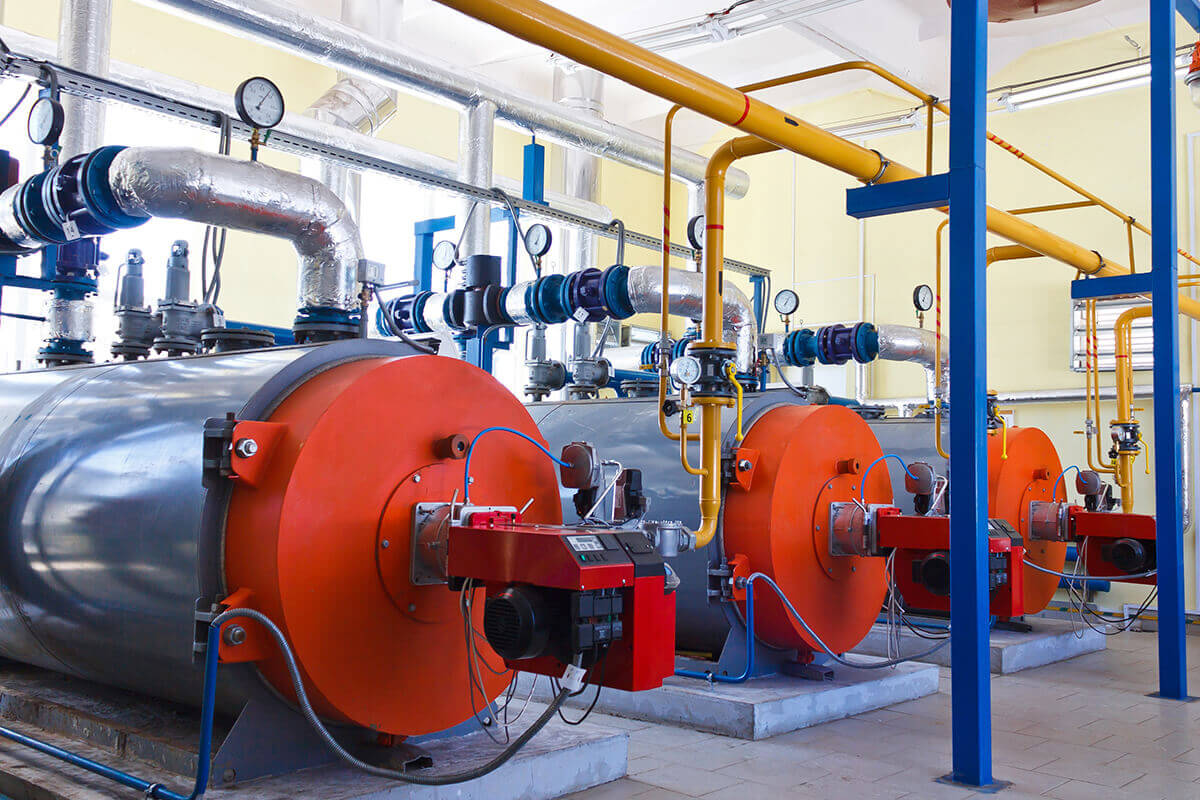
Why Commercial Boilers Rarely Operate at Peak Efficiency
Commercial boilers are typically specified, installed, and commissioned to meet high-efficiency standards. On paper, they are capable of delivering impressive performance figures that satisfy design criteria, regulatory requirements and sustainability targets. However, once those boilers move from controlled commissioning conditions into live operational environments, their real-world efficiency often falls well short of expectations. This gap between theoretical performance and day-to-day operation is one of the most overlooked causes of wasted energy in commercial heating systems.
The Gap Between Design Efficiency and Real-World Operation
Boiler efficiency ratings are generally based on ideal operating conditions. These conditions assume steady loads, optimal combustion settings and consistent operating patterns. In reality, commercial buildings are dynamic environments where heating demand fluctuates. Boilers rarely operate under the same stable conditions used during commissioning, yet their control settings often remain largely unchanged for years.
Over time, factors such as component wear, changes in building usage, alterations to heating schedules, and fluctuations in fuel quality can affect combustion performance. Without continuous adjustment, even well-maintained boilers begin to drift away from their optimal operating point. As a result, fuel is burned less efficiently, increasing energy consumption and carbon emissions while delivering no additional comfort or heat output.
Changing Load Conditions and Their Impact on Boiler Performance
One of the most significant challenges for commercial boilers is variable load. Buildings experience changes in occupancy throughout the day, across seasons and in response to operational requirements. External weather conditions further complicate this picture, with sudden temperature shifts placing additional demands on heating systems.
Traditional boiler setups struggle to adapt to these constant changes. When demand drops or spikes, combustion settings that were once appropriate quickly become inefficient. Excess air levels, incomplete combustion and unnecessary fuel burn can all occur when boilers are unable to respond dynamically to real-time conditions. Over an entire heating season, these small inefficiencies accumulate, resulting in substantial energy waste and higher operating costs.
Why Traditional Boiler Controls Cannot Respond in Real Time
Most conventional boiler control systems are designed to regulate temperature and sequencing rather than combustion efficiency. They operate using predefined set points and respond only when conditions move outside acceptable thresholds. While this approach ensures heat delivery, it does little to optimise fuel use at any given moment.
Because these controls lack continuous feedback on combustion performance, they are inherently reactive rather than proactive. Adjustments tend to be infrequent and manual, often relying on periodic servicing rather than ongoing optimisation. This static approach is no longer sufficient in commercial environments, where energy costs, carbon-reduction targets, and compliance requirements demand a more intelligent and responsive solution.
This limitation is precisely where real-time boiler optimisation becomes essential, introducing a smarter layer that continuously adapts to live operating conditions and closes the efficiency gap left by traditional control systems.
Understanding Real-Time Boiler Optimisation
What Real-Time Boiler Optimisation Actually Means
Real-time boiler optimisation is the continuous improvement of boiler combustion performance while the system is operating in real-time conditions. Rather than relying on fixed settings established during commissioning, optimisation technology works alongside the boiler to ensure it runs as efficiently as possible, regardless of changes in demand or external conditions.
In a commercial context, this means moving away from a static approach to efficiency and towards one that reflects how buildings are actually used. Real-time optimisation focuses on how fuel is burned, not just on whether the required temperature is achieved, ensuring energy is not wasted to deliver the same level of heat.
How Continuous Monitoring Improves Combustion Efficiency
Commercial boilers operate for long periods under varying loads, which makes efficiency difficult to maintain without constant oversight. Continuous monitoring enables real-time assessment of combustion performance, identifying inefficiencies as they occur rather than after the fact.
By responding instantly to changes in operating conditions, optimisation technology helps maintain optimal combustion across a wide range of loads. This ensures that efficiency improvements are sustained throughout the heating season, rather than limited to short periods following servicing or manual adjustment.
The Role of Intelligent Control in Modern Heating Systems
As energy management becomes increasingly data-driven, intelligent control is playing a larger role in how commercial heating systems are operated. Real-time optimisation adds layer of intelligence, enhancing existing boiler controls rather than replacing them.
This approach allows organisations to improve boiler efficiency without changing their heating infrastructure, making real-time optimisation a practical and scalable solution for commercial buildings seeking measurable energy and carbon savings.
How Boiler Optimisation Technology Works
Monitoring Boiler Performance in Live Operating Conditions
Effective boiler optimisation starts with understanding how a boiler performs during regular operation, not just during testing or commissioning. In commercial environments, boilers must respond to constantly changing demand, which means performance data must be captured while the system is running day to day.
By monitoring key operating parameters in real time, optimisation technology builds an accurate picture of how efficiently fuel is being burned under varying loads. This live insight is critical, as it reflects the actual operating conditions that drive energy consumption, costs and emissions across the heating season.
Automatically Adjusting Combustion for Maximum Efficiency
Once live performance data is available, optimisation technology can continuously refine combustion settings to maintain optimal efficiency. Rather than relying on fixed values or manual intervention, adjustments are made automatically in response to changing conditions such as demand fluctuations or external temperature shifts.
This continuous optimisation ensures that combustion remains efficient across a wide operating range. Importantly, these adjustments are made without compromising heat output or comfort levels, allowing buildings to operate as intended while using less fuel to achieve the same results.
A Practical Optimisation Layer for Existing Boiler Systems
Modern optimisation solutions are designed to enhance existing boiler plant rather than replace it. By operating as an additional control layer, optimisation technology works alongside traditional boiler controls and building management systems, improving performance without altering the core heating infrastructure.
This is where solutions such as Optiburner are positioned. By focusing on real-time combustion optimisation and non-intrusive installation, Optiburner enables commercial buildings to improve boiler efficiency, reduce fuel consumption and lower carbon emissions using their existing heating assets, with minimal disruption to operations.
Why Real-Time Optimisation Delivers Measurable Energy Savings
Reducing Excess Fuel Use Without Compromising Heat Output
In many commercial buildings, boilers consume more fuel than necessary to deliver the required level of heat. This is rarely the result of poor equipment, but relatively inefficient combustion during day-to-day operation. When boilers are unable to adapt to changing conditions, fuel is often burned inefficiently, producing the same heat output at a higher cost.
Real-time optimisation addresses this inefficiency at source by continuously refining how fuel is burned. By maintaining optimal combustion conditions, boilers can deliver consistent heat output while using less fuel, enabling energy savings without affecting occupant comfort or operational performance.
Improving Seasonal Efficiency Rather Than Peak Performance Only
Traditional efficiency improvements often focus on peak or rated performance, which represents only a small fraction of a boiler’s operating life. In reality, commercial boilers spend most of their time operating at part load or under fluctuating conditions, where efficiency typically deteriorates.
Real-time optimisation focuses on improving efficiency across the entire heating season, not just during ideal operating moments. By adapting continuously to real-world conditions, optimisation technology delivers sustained performance improvements that translate into meaningful reductions in annual gas consumption.
Turning Continuous Optimisation Into Tangible Commercial Value
Consistently achieving small efficiency gains can have a significant impact when applied over long operating hours and large heating loads. Over time, reduced fuel consumption directly leads to lower energy costs and lower carbon emissions.
Solutions such as Optiburner are designed to unlock these incremental improvements by ensuring boilers operate as efficiently as possible at all times. The result is measurable energy savings, clearly demonstrated through performance data, supporting both financial objectives and sustainability targets.
The Carbon and Compliance Benefits of Boiler Optimisation
Lower Fuel Consumption and Reduced Carbon Emissions
In commercial heating systems, carbon emissions are directly linked to fuel use. When a boiler operates inefficiently, it consumes more gas than necessary to meet the same heating demand, increasing emissions without delivering any additional benefit. Improving combustion efficiency, therefore, has an immediate and measurable impact on carbon performance.
Real-time boiler optimisation reduces unnecessary fuel burn by ensuring combustion remains efficient under all operating conditions. As fuel consumption falls, carbon emissions reduce in parallel, allowing organisations to improve environmental performance using their existing heating infrastructure rather than relying solely on capital-intensive upgrades.
Supporting ESOS, SECR and Net Zero Objectives
Energy and carbon reporting requirements, such as ESOS and SECR, increasingly emphasise evidence-based efficiency improvements. Boiler optimisation provides a practical way to demonstrate action, particularly in buildings where heating accounts for a significant share of total energy use.
By improving real-world boiler performance and reducing gas consumption, optimisation supports broader net-zero strategies while aligning with compliance frameworks. Performance improvements can be clearly evidenced through operational data, strengthening audit outcomes and long-term decarbonisation planning.
Using Real Performance Data to Evidence Efficiency Improvements
One of the challenges organisations face when reporting on energy efficiency is demonstrating that measures deliver sustained results. Real-time optimisation generates ongoing performance data that reflects how boilers operate in live conditions, rather than relying on assumptions or one-off assessments.
Solutions such as Optiburner enable organisations to track efficiency improvements over time, providing credible evidence for compliance reporting, internal governance and sustainability communication.
Where Real-Time Boiler Optimisation Delivers the Greatest Impact
Large and Complex Commercial Heating Systems
Real-time boiler optimisation delivers the most outstanding value in buildings with large or complex heating systems, where boilers operate for long hours and under varying conditions. In these environments, even small inefficiencies are amplified by scale, leading to significant fuel waste over time.
Because optimisation operates continuously, it is particularly effective when multiple boilers, extended operating schedules, or high heating loads are present. These systems benefit most from ongoing adjustment rather than periodic intervention, making optimisation a natural fit for complex commercial estates.
Buildings With Variable Occupancy and Demand
Sites with fluctuating occupancy present a major challenge for traditional boiler controls. Demand can change hourly, daily or seasonally, depending on how spaces are used. When heating systems cannot adapt quickly, boilers often operate inefficiently at partial load.
Real-time optimisation is well-suited to these conditions because it responds dynamically to changing demand. By maintaining efficient combustion regardless of occupancy levels, optimisation helps ensure fuel is not wasted during quieter periods while still meeting peak heating requirements during periods of increased demand.
Improving Efficiency Without Major Capital Investment
For many organisations, replacing boilers or undertaking large-scale heating upgrades is not immediately practical. Budget constraints, operational disruption and long payback periods often delay major capital projects, even when efficiency improvements are needed.
Boiler optimisation provides a practical alternative by improving the performance of existing assets. Solutions such as Optiburner allow organisations to reduce fuel consumption and carbon emissions without altering their heating infrastructure, making optimisation a practical first step in a longer-term energy efficiency or decarbonisation strategy.
Why Boiler Optimisation Complements, Not Competes With, Other Energy Measures
Enhancing Existing Building Management and Control Systems
Many commercial buildings already use building management systems to control heating schedules, temperatures and plant sequencing. While these systems play an essential role in overall energy management, they are not designed to optimise combustion efficiency within the boiler itself.
Boiler optimisation operates alongside existing controls, enhancing their effectiveness rather than replacing them. By focusing on how efficiently fuel is burned in real time, optimisation adds a layer of performance improvement that traditional control systems cannot deliver on their own.
Supporting Broader Energy and Carbon Reduction Programmes
Organisations rarely rely on a single measure to improve energy performance or meet carbon reduction targets. Instead, efficiency improvements are typically delivered through a combination of operational changes, system upgrades and long-term decarbonisation initiatives.
Real-time boiler optimisation fits naturally into this approach by delivering immediate reductions in fuel consumption while supporting longer-term strategies. It allows organisations to achieve measurable efficiency gains now, while planning future investments such as heat network upgrades or low-carbon technologies.
Maximising the Value of Existing Heating Assets
Commercial boilers represent a significant capital investment and are often replaced only at the end of their operational life. Improving how these assets perform throughout that lifecycle is therefore critical to achieving value for money.
Solutions such as Optiburner help organisations maximise the efficiency of their existing boiler plant, ensuring it operates as effectively as possible for as long as it remains in service. This approach supports both financial resilience and sustainability objectives without creating unnecessary operational risk.
Why Real-Time Boiler Optimisation Is the Missing Link
Commercial energy efficiency strategies often focus on major system upgrades or long-term decarbonisation projects. While these initiatives are essential, they do little to address the day-to-day inefficiencies within the boiler plant. As energy costs rise and compliance pressures increase, organisations need solutions that deliver measurable improvements now, not just in the future.
Real-time boiler optimisation closes the gap between how boilers are designed to operate and how they actually perform in live environments. By continuously adapting to changing demand and operating conditions, optimisation ensures fuel is used as efficiently as possible throughout the heating season, rather than only under ideal circumstances.
For organisations looking to reduce energy costs, lower carbon emissions, and improve the performance of existing heating systems without significant disruption, solutions such as Optiburner offer a practical and proven approach. By making existing boilers work smarter, real-time optimisation becomes a foundational component of modern commercial energy management.